 ATUKORALE

Bitter Taste Receptors in Blind Mexican Cavefish

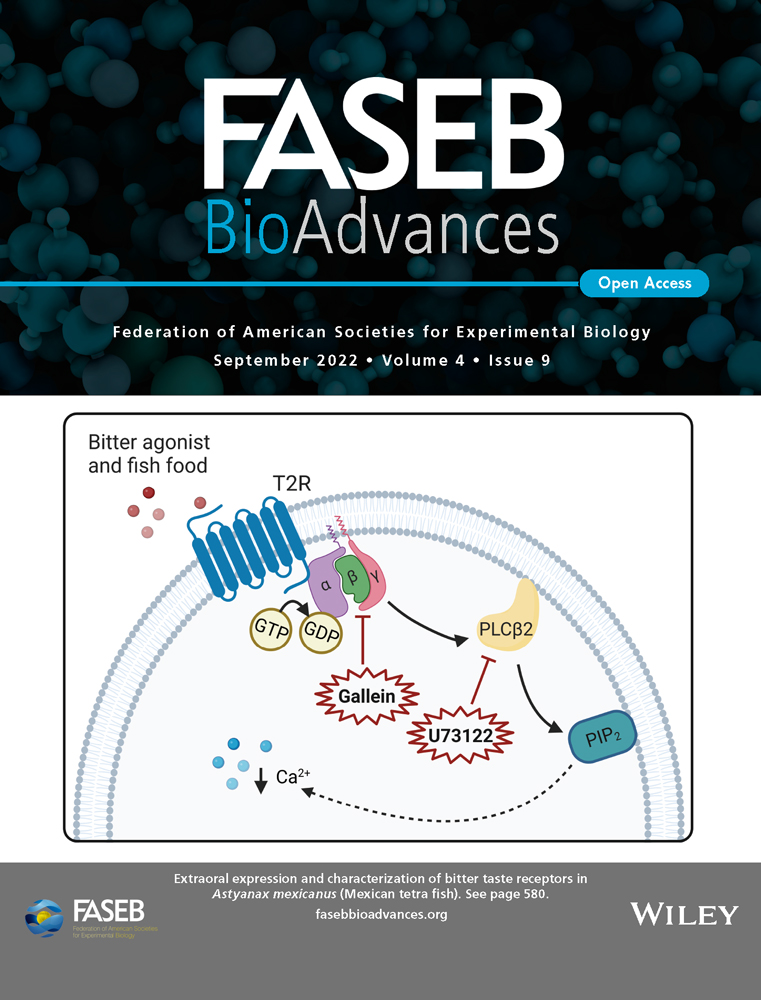
In fish, the chemosensory system is highly developed and very important for a wide range of activities like navigation, mate recognition, and food searching. The taste receptors family show a dynamic evolution in land-living vertebrates, with as little as 2–3 functional genes in some avian species and more than 50 genes in an amphibian species. In contrast, teleost fish appeared to have a small and rather constant repertoire of 3–6 bitter taste receptor (T2Rs) genes. We are investigating the molecular and bio chemical characteristics of T2Rs gene in this animal. We try to see the importance of the chemosensory system in fishes and then try to understand the crosstalk between the different sensory systems in vertebrates.
This work has been published as the cover story for FASEB BioAdvances (September 2022) FASEB Bioadvances 4: 574-584, 2022, this study demonstrated distinct ligand recognition profiles between human and Astyanax mexicanus bitter taste receptors (T2Rs), revealing that fish respond selectively to specific bitter compounds like plant-derived quinine while showing divergence from human orthologs.